
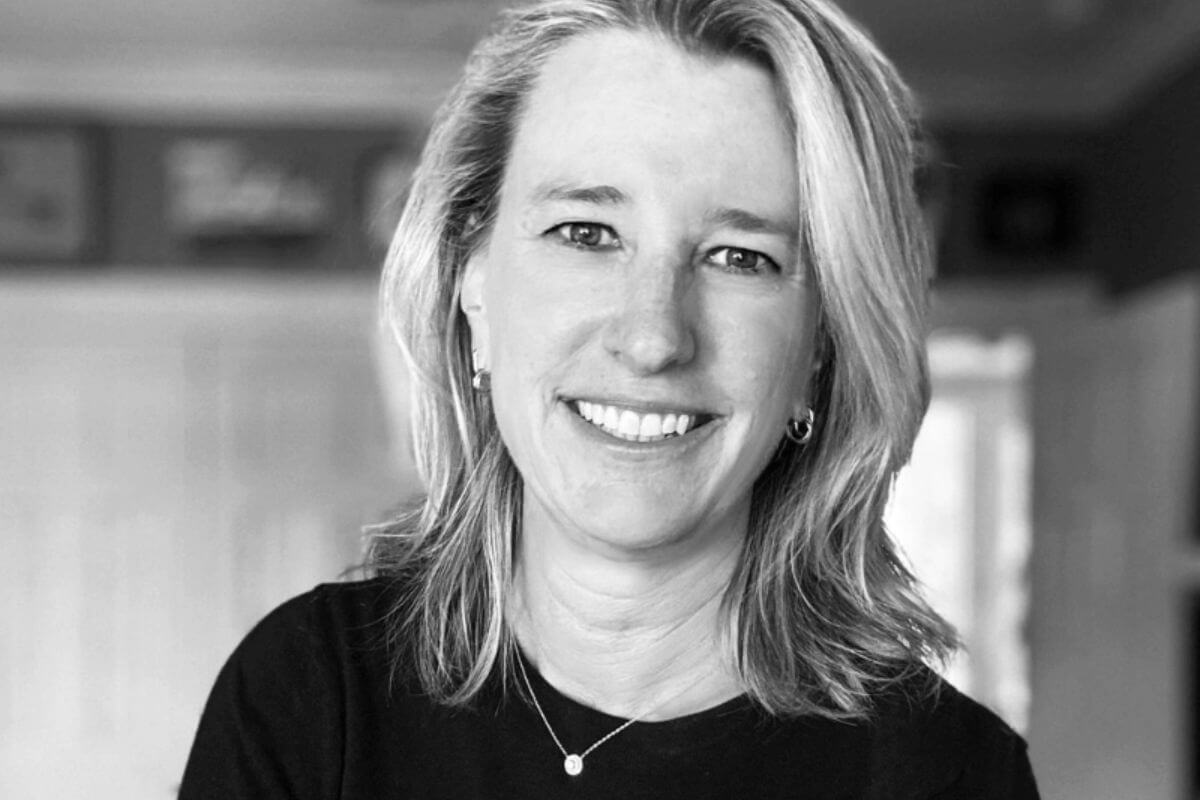
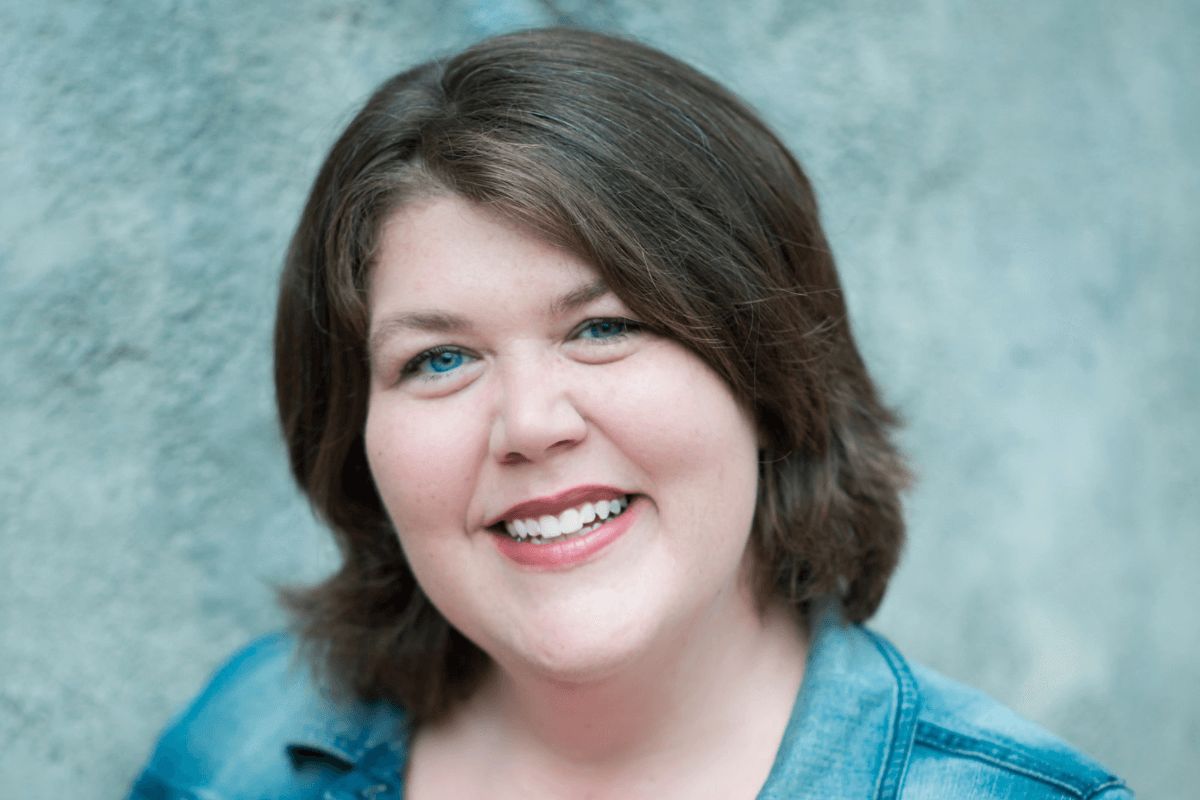
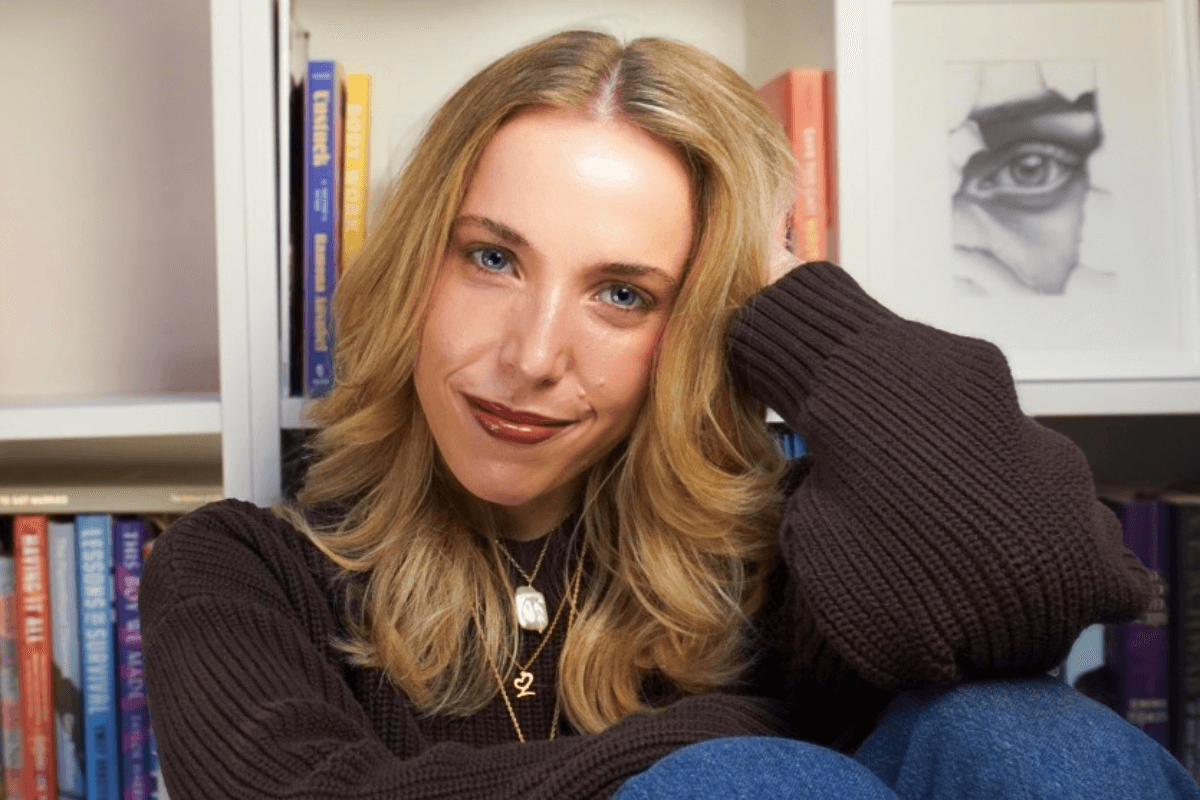
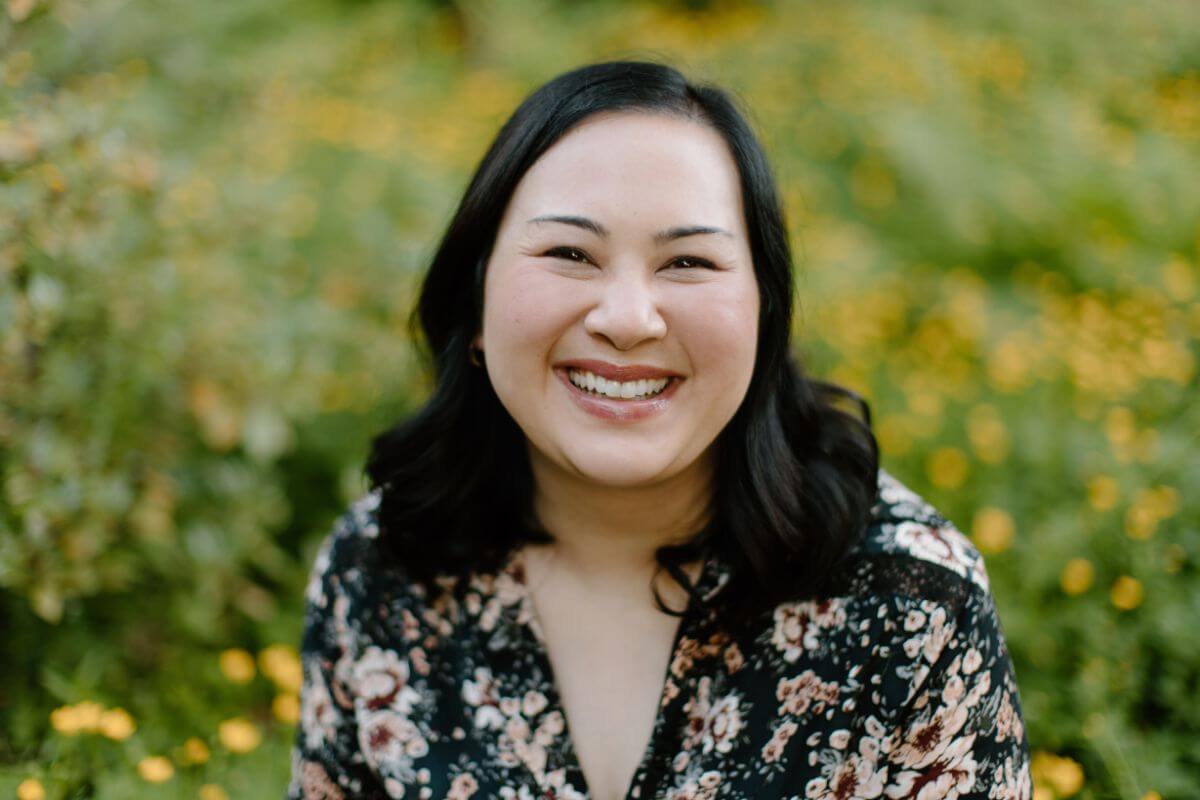
Hays Trott Blinckmann is a writer, journalist, teacher, and recovering painter. She holds a Bachelor of Arts from Tufts University and a Bachelor of Fine Arts from the School of the Museum of Fine Arts, Boston. She lives in Key West, Florida, with her husband and two sons. Her other novels include In the Salt, Where I Can Breathe, Here, Kitty, and the young adult novel Yell Out Loud. For more about Hays, visit authorhaysblinckmann.com and follow her on IG @authorhaysblinckmann.
I always felt like I was here… and everyone else was over… like way over… there. How was I going to get from A to B? It was the easiest question, but the hardest to answer. Sitting alone in my home office in Key West, middle-aged, how was I going to be discovered as an author? The odds were stacked against me. It was a problem I couldn’t even solve. How do I get noticed? How do I reach larger audiences? How do I make my name and my work matter in the world?
If you’ve read my books, there are telltale signs that my personal life has never been easy. From the apocalypse of my childhood to the struggles in my adulthood, I can say that very little was ever handed to me. I knew I wanted to write books, but what did “being an author” look like for me?
1. Know Your Strengths
Life looks easy for others when you are an adult child of an alcoholic. The same is true for indie authors looking at traditionally published writers. It’s like they got an instruction manual that you didn’t. I have had to “figure” out life along the way, since pretty much forever. From taxes to raising kids, I was capable of doing it alone. I was disappointingly surprised to discover that writing was the easy part. To publish, I had to understand PDFs, layouts, editing (more editing), margins, chapter headers, fonts and font sizes, covers and cover art, author bio, author photo, uploading, pricing, discount percentages, and advertising. And then, adding insult to injury, social media. If I wanted to be a writer—a known writer—I had to buckle down, and there were no shortcuts. But had I really ever had one? No, so I had something going for me:perseverance.
2. Create a Mantra
It boils down to two things: having faith that things will change (they always do) and having the patience to wait for it. Holding an idea is equivalent to holding air; it’s stressful and tenuous. But if you vow never to let go, to hold on to that one belief that you can do it, it will feel like the last puzzle piece slipping into place when you get it.
3. Choose Your Lane
But FIRST, I had to resign myself to being a nobody. I had to ask myself whether I was writing to become famous or to write great books. My first book, In The Salt, had already been rejected by agents. I was thirty-seven then, raising two toddlers, and had been told there was no audience for my work. But (two buts here) 1. People loved In The Salt and 2. I loved writing In The Salt. I had a very famous author friend who is so “branded” by her successful novels that she needs her publishing house to approve her book ideas. Did I want that?
No, I wanted to write my stories, my way, no vampires or marketable main character. Also, did I want to wait years for an agent to deem me worthy? Then wait again for a publishing house to buy my work, with the contingency that they can change it? Girl, I’m Gen X. I am unimpressed with gatekeepers. Amazon was making it easier and easier to self-publish. I picked my lane. I wrote my next book, Where I Can Breathe, and launched it immediately. Why? Because I didn’t want it to wither on my desktop waiting to be sanctioned by the literary gods. I knew it was good, and “my audience” was out there waiting for it. The reviews were phenomenal. I kept going.
4. Keep Trying New Things
I wrote a young adult novel, Yell Out Loud. Why? Because at the heart of it, I write for my kids. I made them and their friends main characters while we were all locked up during COVID. I could make them feel important when the world was falling apart. I didn’t need a publisher to feel great about gifting some small-town kids legendary fame; they can show their kids someday.
I then got back to work on my next novel, Here, Kitty. This one was a test because every bit of the story is fictional. I wanted to write without using my family as a starting point. I made up these crazy characters and a story that held me up when menopause was weighing me down. I was depressed, sleepless, and hot. But waking up to write absurdly lovable and funny characters got me through the darkest night sweats.
5. It Will Happen When You Least Expect It
So how does someone like me end up hugging Robin Roberts from Good Morning America, both of us crying in a public park? For years, I handed out my books to friends and acquaintances. In Key West, there are “free” book boxes where I’d leave old copies. I kept believing that if I kept creating the best work I possibly could and put it out there, it would land in the hands of the one person who could change everything.
And it did. A friend to whom I gifted a copy knew Robin. Months later, I saw Robin in Key West and remembered she had had a copy of my second novel, Where I Can Breathe, for months. I took a deep breath and told myself, what will be, will be. Robin spotted me, and the first thing she did was spread her arms wide and envelop me. I allowed myself to stop holding on and started crying, and then Robin had tears in her eyes. I had finally been seen. She was my person.
Meeting Robin coincided with my having finished Tiny Little Earthquakes. The stars had finally aligned, she demanded a first read. I got her a copy ASAP.
6. Acknowledge Things Really DO Happen For a Reason.
Tiny Little Earthquakes was the book I had waited my whole life to write because it’s primarily based on my childhood. I am grateful I had the other books under my belt, taken my knocks, made mistakes, and knew more than I had 15 years prior about the game of being an author. I had thrown everything at the wall with Little Tiny Earthquakes. I had written, re-written, edited, and re-edited more than my other work because I knew I only had one shot to tell the world what had happened to me. Also, I wrote it for my kids so they would ultimately have a tangible piece of their mother, forever. And I had to do it, ultimately, for me. Success might have changed that, and I may never have written my story the way I did.
Now, here we are. I did it. I worked hard, no shortcuts, resigned myself to hope and patience, and I backed myself. It sounds silly, but I guess that’s the way it was supposed to be.
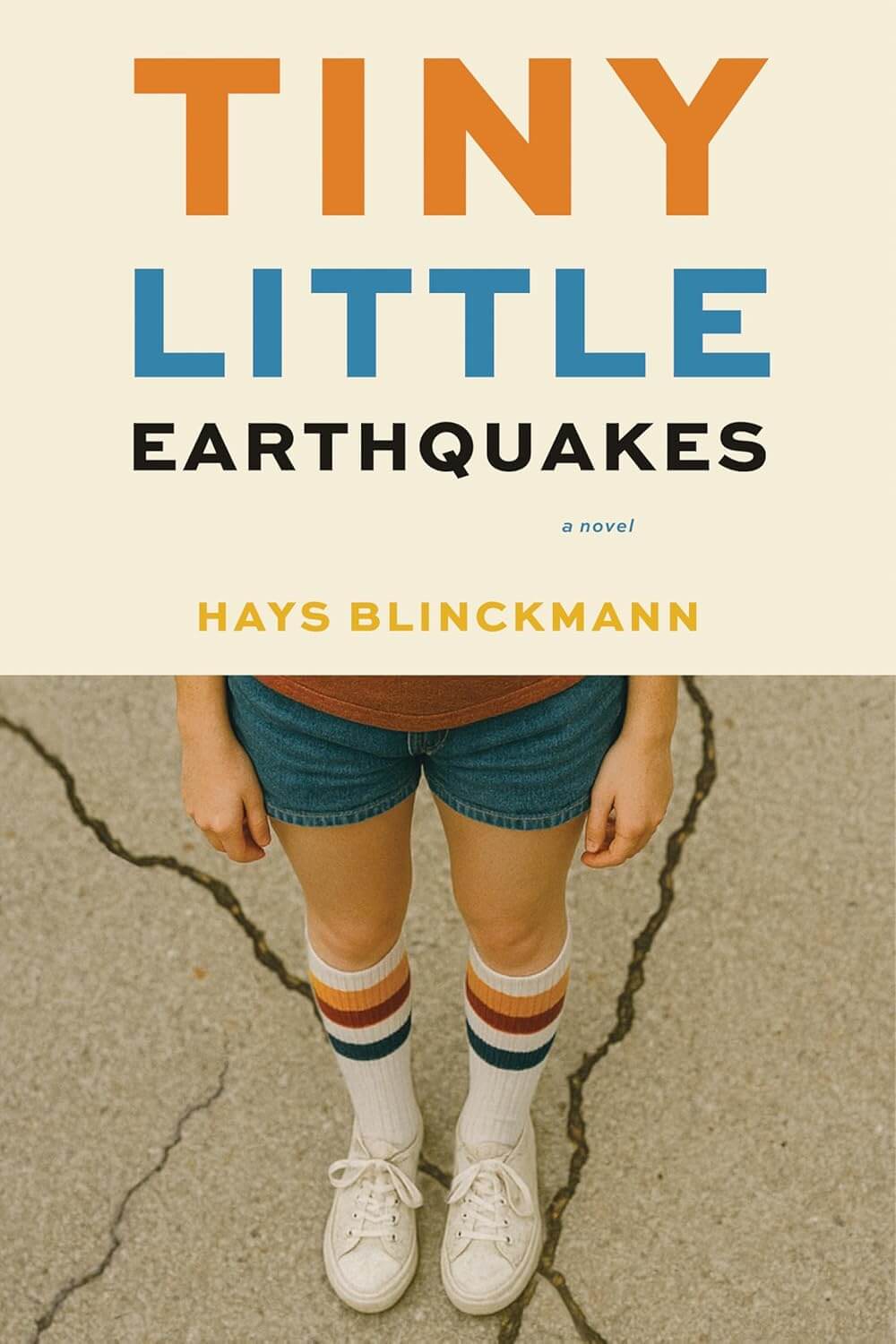
Tiny Little Earthquakes by Hays Blinckmann
Elliot Hase is a sharp, observant girl traveling through her chaotic life with her partner-in-crime, and older sister, Poppy. As Elliot grows up surrounded by family chaos, addiction, and emotional fallout, she begins to question the identity she built simply to survive. Torn between loyalty and self-preservation, she’s forced to confront painful truths and redefine who she is on her own terms. Through heartbreak and hard-won resilience, Elliot learns that healing is not about never breaking—it’s about learning how to rebuild.
Buy the book now: Amazon


Leave A Comment