
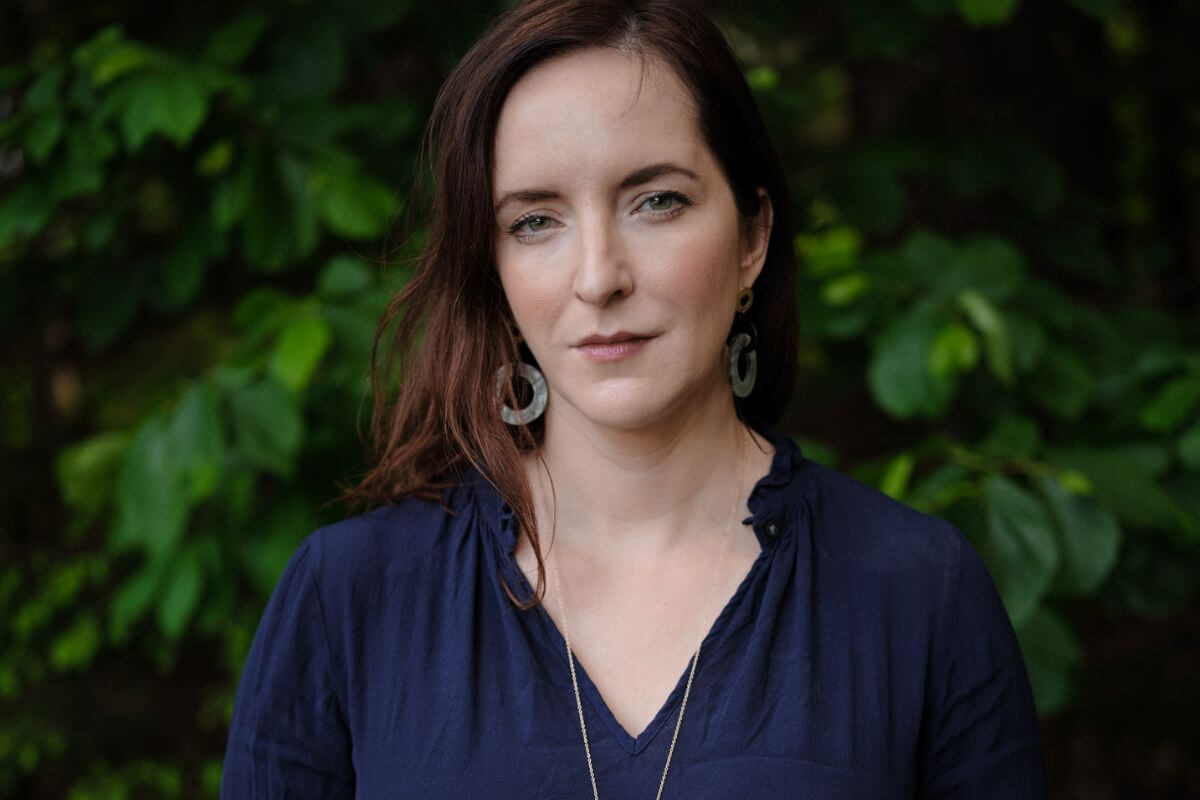
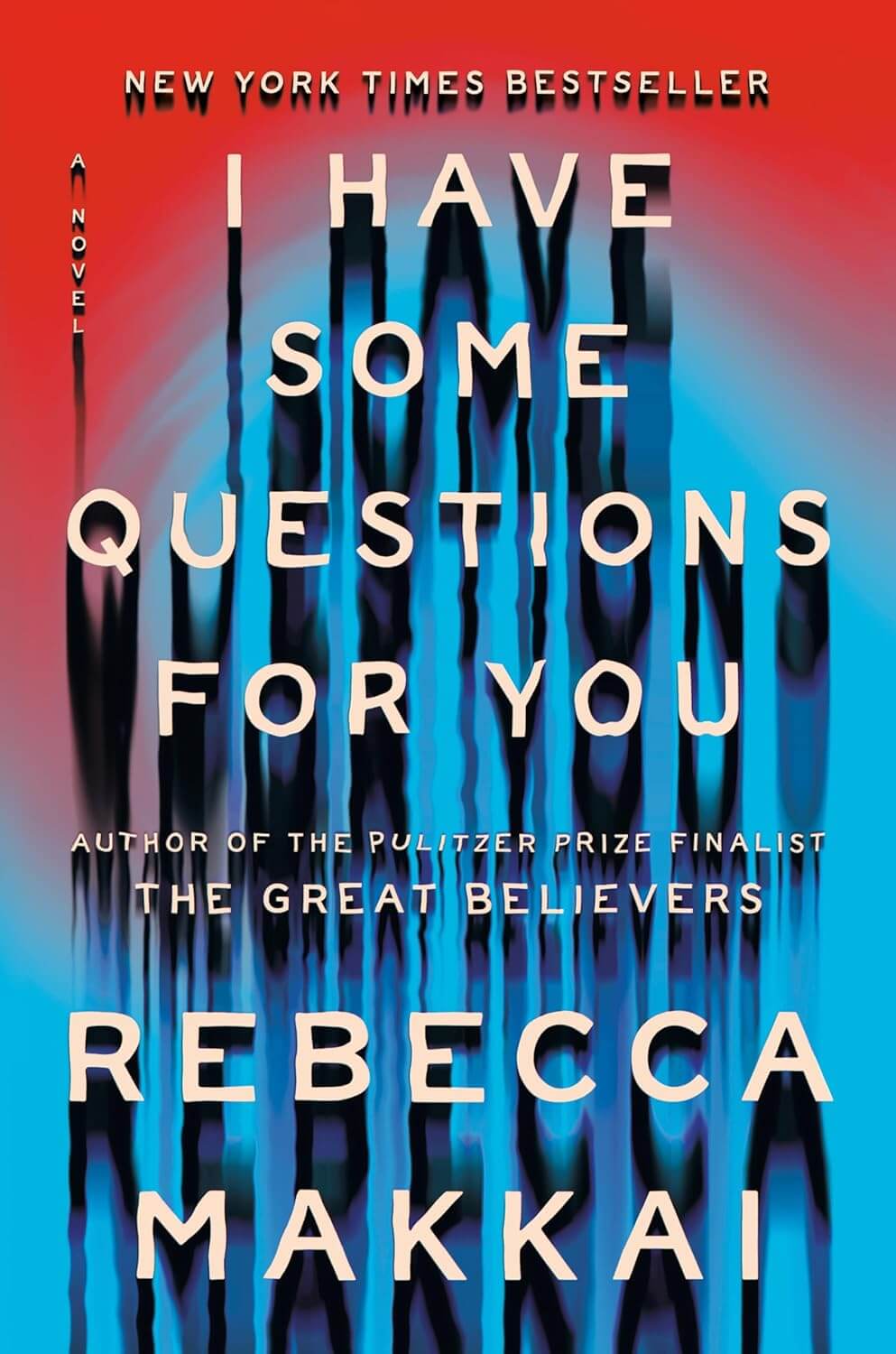
Rebecca Makkai is a New York Times bestselling author, a Pulitzer Prize Finalist and a National Book Award Finalist. Novels like I Have Some Questions for You and The Great Believers have marked her as both a literary icon and a commercial success. A 2022 Guggenheim Fellow, Rebecca is on the MFA faculties of Sierra Nevada University and Northwestern University, and is Artistic Director of StoryStudio Chicago.
In addition to her literary and academic achievements, she also helps her fellow writers out with a brilliant and entertaining Substack. We all have the chance to be students by becoming subscribers to SubMakk, where she shares craft lessons, discusses writing with ADHD, and other fascinating tidbits from her personal and professional life. This month as we discuss Substack as a platform, we’re got the chance to talk to Makkai about why she chose this platform, how she utilizes it and advice she has for writers interested in starting their own Stack.
So we were curious, what drew this acclaimed author to Substack in the first place.
Rebecca Makkai: Substack came along right as I was wanting to quit Twitter, so the timing was really useful. I had poured a lot of time into projects on Twitter—things like reading my way around the world in translation—and there was a public conversation there that I valued. But as Twitter was being taken over by increasingly hostile forces, I knew I needed to leave, and I was mourning that loss without knowing what would replace it.
At the same time, my previous attempts at newsletters were very clunky. They only ever happened when I had a new book out, and I’d spend days cobbling together a Mailchimp list from old emails, deleting addresses that clearly didn’t belong. It was an arduous process.
Someone from Substack reached out when they were trying to build their base of professional creatives, and they walked me through how it worked. The timing was perfect. I was able to migrate what I’d been doing into a space that felt more sustainable and natural.
Substack is a platform to be taken seriously. Housing professionals across all industries, it’s done something unusual. It rolls journalism, social media, blogging, education and newsletters into one place and space. It even provides creators with the opportunity to monetize. So we asked Rebecca if Substack was replacing any other platforms—beyond Twitter—or if she was pulling from other experiences to make her page into what it has become.
Rebecca Makkai: Years ago Ploughshares had guest bloggers who posted regularly. I did mostly humorous pieces about writing and the literary world, and we were paid a bit for it. Some of those posts went mildly viral in a very pre-Twitter way, mostly on Facebook.
That experience helped me build connections with people I’m still close to in the writing world. But there was a long gap after that. Even further back, I wrote a humor column for my college newspaper. It was very analog, but I loved the form: personal, conversational, public, and constrained by space, which taught me concision.
Substack feels like a continuation of all of that.
On her Substack, Rebecca covers everything from book recommendations—particularly her effort to read 84 books in translation from around the globe—as well as craft tips that spinoff from the classroom and personal insights like balancing writing with parenting and an adult ADHD diagnosis. So we asked her if there was a specific plan going into creating this platform or if it was something she constructed more organically.
Rebecca Makkai: Honestly, when I first started, Substack encouraged people to explain exactly what they’d be doing. And I remember thinking, Okay… some writing advice, some Zillow listings, some thoughts about life, some books in translation, some weird historical stories.
That was already what I was doing on Twitter. I’d also do these Zillow threads, and sometimes historical true crime threads. It was just whatever I was interested in at the moment.
And I think the advice people give about social media is very true: do what you’re comfortable with. Do the thing you’re interested in anyway. There was an author — Paul Lisicky — who would just post whale facts. Just whales. And it was great. You didn’t need to know anything else. You liked him, and here were whale facts.
That’s so much better than when people are like, “So, literary Twitter… have you read any good #books lately?”
She Writes: Has Substack functioned as a marketing tool for your fiction, or does it feel like a separate creative outlet?
Rebecca Makkai: It feels really different. I started it a couple of months before my last book came out in February 2023. Part of the timing was that I didn’t want to go through building another Mailchimp list. I wanted to be able to say, “Hey, here’s my new book. Here’s where you can order it.”
So in that sense, it replaced a newsletter. A couple thousand people who knew who I was saw it, maybe a fraction clicked. Who knows what that actually translates to.
But mostly it’s a creative outlet. If it felt more market-y, it would feel really unpleasant. I make most of my content free, and when I put things behind a paywall, it’s usually bonus content. I don’t like the idea of cutting a piece in half and saying, Pay to finish this.
A lot of what I do has leaned toward writing advice—almost like I’m writing a craft book in slow motion—because that’s what people respond to. Writers use the posts in classes, send them to students, reference them. That means a lot to me. I don’t want to feel like I’m squeezing money out of writing students.
I don’t actually know if it sells my books. I just know how many paid subscribers I have, which is a different thing entirely.
She Writes: So… are you slowly writing a craft book?
Rebecca Makkai: I am. Some posts are expansions of handouts I’ve used in class. I realized there’s a niche that’s literary but extremely practical. Literary craft books tend to be beautiful essays, and commercial craft books tend to be cheesy or wrong. I want something very practical for elevated literary writing.
She Writes: Do you market your Substack externally, or does discovery mostly happen within the platform?
Rebecca Makkai: I post about it on social media. I have a great assistant who helps proofread and prepares promotional posts. But honestly, most growth seems to come from other Substacks recommending mine. I’ll suddenly get new subscribers even when I haven’t posted, and I know that’s because someone mentioned it somewhere.
Recently, Rebecca hosted a webinar about “Writing While Parenting”. So many female creators have been asked how they managed to balance a creative career with being a mom. There are two angles that this question is looked at. On the one hand, it can feel misogynistic—women seem to be the only ones who are ever asked this question. But on the other hand, there are people out there asking sincerely how someone manages to balance these two heavy demands. And in her webinar, she decided to address the latter crowd in earnest, so we asked her how it went.
Rebecca Makkai: I think it went really well. I got good questions at the end, which is always my metric.
That’s a question that doesn’t have a short answer. Some people ask it in a condescending way, but others are genuinely scared — I’m pregnant with my first baby, I’m in the middle of a novel, what happens now?
The only way to address it honestly is with time. I talked about practical considerations, guilt, external pressure, and also the ways parenting can add to your writing life. That length was necessary.
The “Writing While Parenting” webinar is still available here for anyone interested.
She Writes: You’ve also written about fiction writers absorbing unhelpful lessons from film and TV. What other modern influences do you think shape bad writing habits?
Rebecca Makkai: I realized I’d been reading almost exclusively contemporary American fiction, partly because of professional obligations. It’s wonderful literature, but it’s not the whole world. That realization led me to start reading my way around the world in translation, as a memorial to my father, who was a translator.
Reading Arabic literature in particular—modern and older—changed my perspective. Much of it is heavily summary-driven rather than scene-driven. It forced me to adjust my expectations as a reader. It won’t change how I write, but it made me aware of how much of my approach comes from inherited traditions rather than conscious choice.
Understanding that difference is important. What we do isn’t the only way to do things.
Make sure you check out her post “You’re Writing a Book. So Stop Writing a Movie.” to get more insight on how modern influencers are producing poor writing.
She Writes: What Substacks do you love reading?
Rebecca Makkai: Articles of Interest, which accompanies the podcast about clothing history, is excellent—it adds visuals and context. Courtney Maum’s Before and After the Book Deal is great for understanding publishing readiness. And Heather Cox Richardson is essential reading for historical and political context.
She Writes: What books taught you the most about writing?
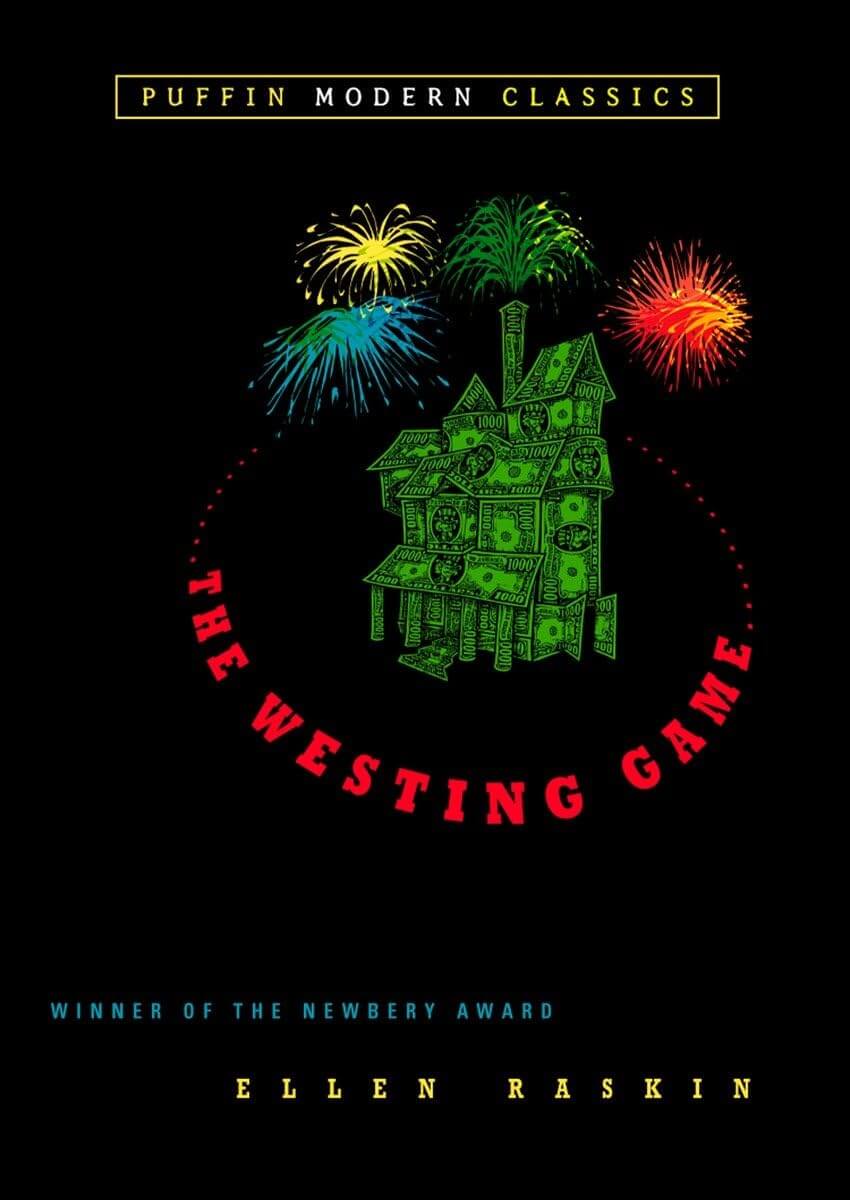
Rebecca Makkai: The Westing Game by Ellen Raskin was formative for me as a child—multiple points of view, controlled revelation, narrative possibility. Many writers my age were deeply influenced by it.
Honestly, I’ve also learned a lot from books I think are bad, by analyzing why they don’t work. And even soap operas—As the World Turns, which I watched with my mother—taught me about narrative propulsion and suspense.
She Writes: What are you reading now?
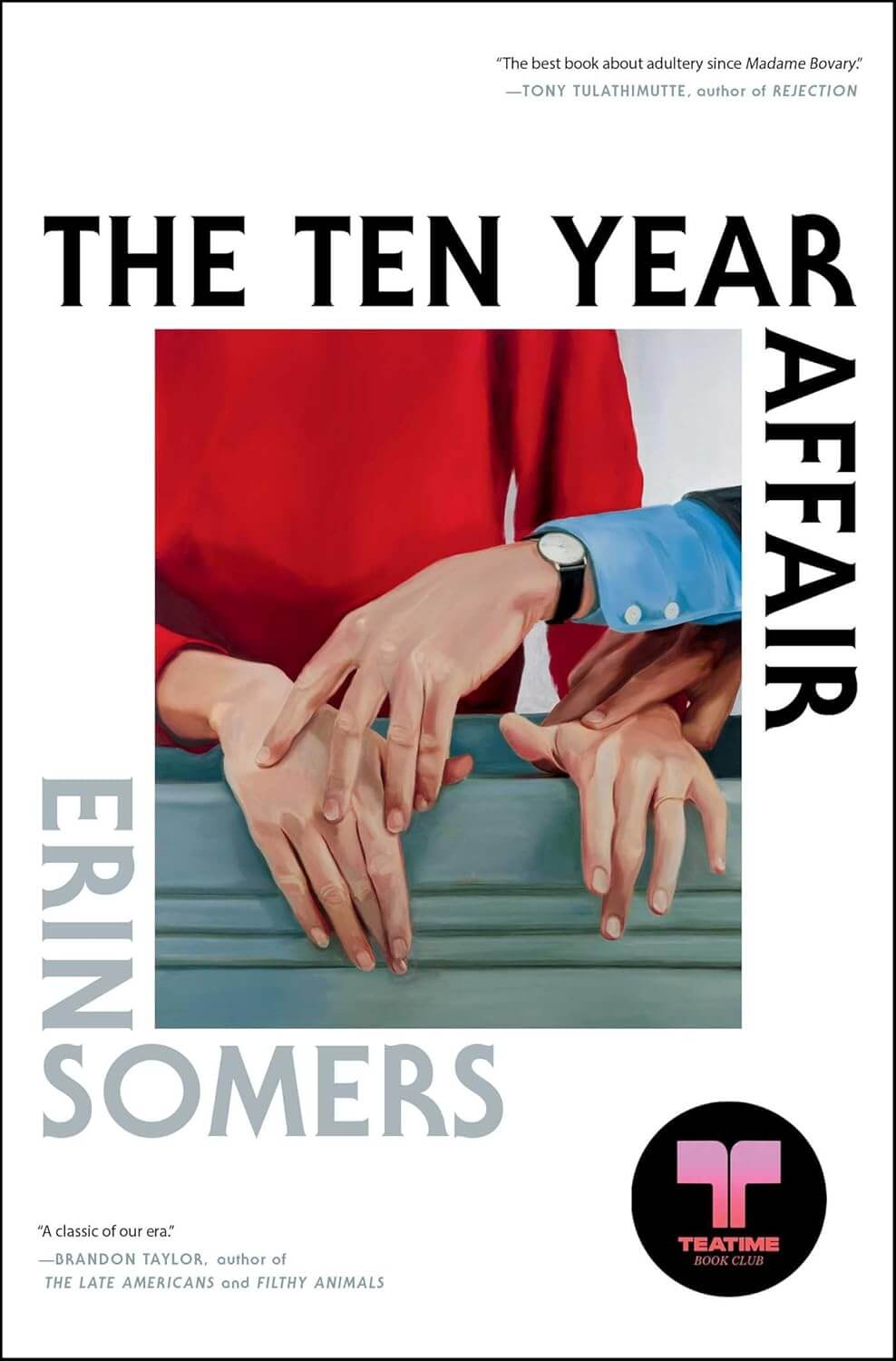
Rebecca Makkai: I’m finishing The Ten Year Affair by Erin Somers. It’s very funny, very sharp, with lines that make you stop and think, I’ve never heard human life articulated that way before. Right now, it’s the only book I’m reading because I’ve been immersed in teaching and student work.
She Writes: You write openly about ADHD. What advice do you have for writers navigating it?
Rebecca Makkai: First, many writers have undiagnosed ADHD. I didn’t realize I had it until I heard women describing their experiences. After my first post, around thirty people told me they pursued diagnosis because of it.
For those who know they have ADHD, my advice is to design a writing life that serves your brain rather than forcing your brain to fit external expectations. Writing doesn’t have to happen early in the morning, every day, at a desk. If your brain works in bursts, work in bursts. If retreats help, do retreats. Write lying down if that works. Eat while you write if that helps.
Stop fighting yourself. Work with how your brain actually functions.
She Writes: What’s a book you recommend all the time?
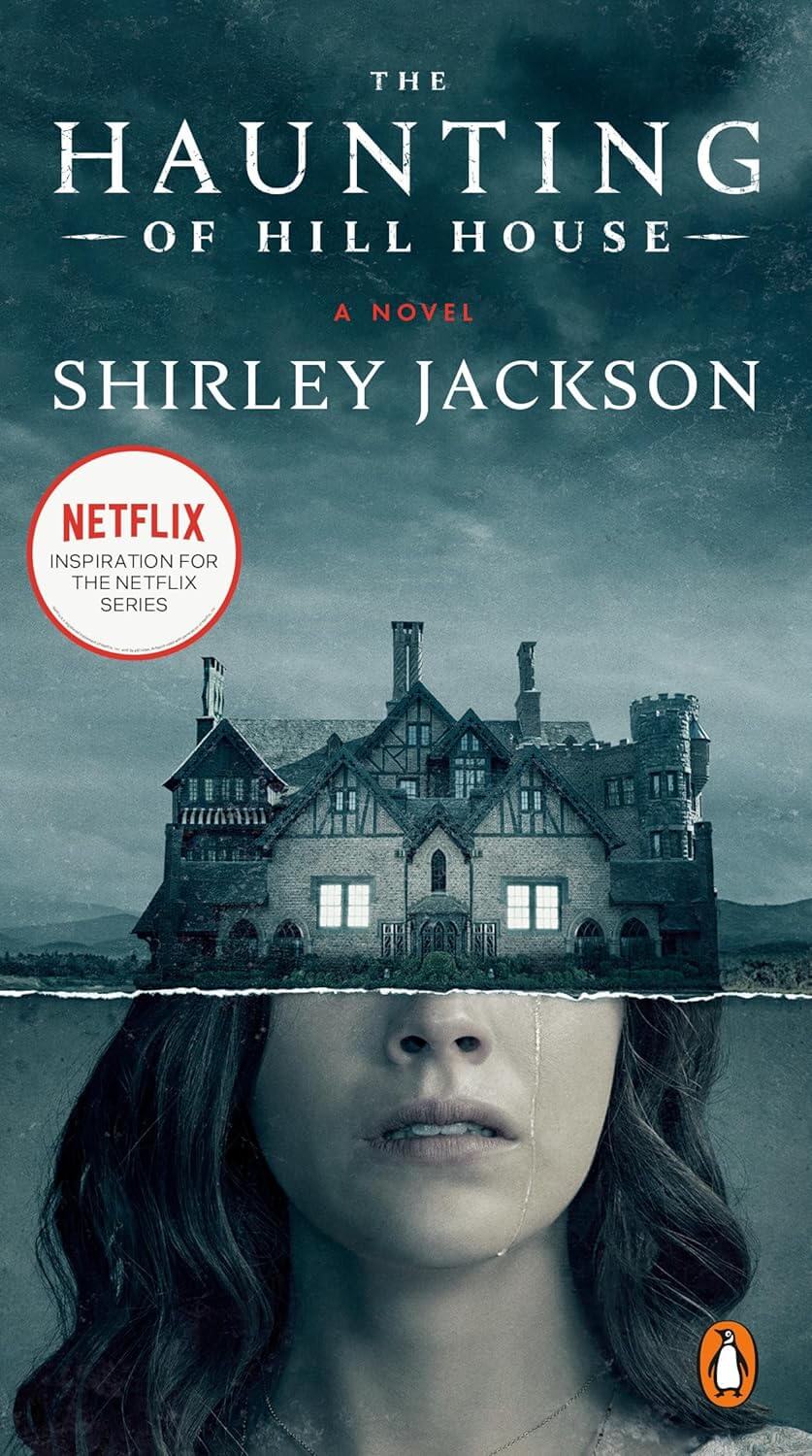
Rebecca Makkai: The Haunting of Hill House by Shirley Jackson. Anyone who enjoys gothic or dark academic-adjacent fiction will love it. It’s unsettling in the best way.
I also frequently teach Percival Everett’s short story “The Appropriation of Cultures” It’s funny, dark, and brilliant in its use of perspective and scope.
She Writes: What are you working on next?
Rebecca Makkai: I’m writing a novel set in the U.S. in 1938 about American involvement in fascism, based on real events and a real person. Living in 2025 while writing 1938 was… not ideal. I’m glad to be in the editing phase now.


Leave A Comment