

Christine Stringer is a former MGM assistant who was investigated by the FBI for piracy of a film starring The Rock. So yeah, she does find herself in little snafus from time to time. She has a BFA from the University of Victoria where she studied theatre and English. As a screenwriter and novelist, she strives to brighten people’s days, writing stories based on her film career, love life and general mishaps. She lives in beautiful Vancouver, BC, with her husband and two young children who bring her joy every day, even though they have banned her from singing in the car.
Judge my book by its cover. Go ahead. It’s pink. There’s an adorable young woman on the cover. And the title, Charity Trickett is Not So Glamorous—come on, it couldn’t be any cuter. My book cover screams chicklit. But wait, it’s not 2001. We can’t say chicklit. Chicklit died many moons ago, having offended female authors all over the globe. So, the publishing industry replaced chicklit with up-market fiction or commercial women’s fiction, huge umbrella terms for sellable fiction that give little insight to the theme or tone of the book. Typical genres such as sci-fi, dystopian thriller, historical romance—we know what to expect from them. So much so that bookstores, both physical and online are divided into genres. But try and find up-market commercial women’s fiction in a bookstore. It doesn’t exist. Chicklit has been replaced by marketing jargon, rendering my novel genre-less and lost on the vast shelves of fiction alongside books that are nothing like mine.
Why haven’t we replaced chicklit with a more modern and identifiable genre name? One word that represents the identifying factors of the chicklit we came to love in the 90s while bringing it into the 2020s. The literary world hasn’t come up with anything yet, so I’d like a kick at the can. But first, let’s explore what chicklit is. That way when I tell you my new name for the genre, you’ll be like “Girl, yes!”
Chicklit books are generally seen as being light beach reads, but the genre was birthed with intent. Chicklit represent the post-feminist world through the lens of a cosmopolitan youngish woman who is career driven, flawed, romantic, and who is trying to succeed in a world where women are told they are equal, but are not treated as such. These books represent the women of the era so succinctly, while being a mirror to popular culture, making them highly adaptable to screen. Many chicklit books from the 1990s and 2000s were made into films and television shows that are still relevant today. The Bridget Jones franchise released its fourth film last year, keeping the series alive for two decades. The same can be said for The Devil Wears Prada, which was originally released in 2006 and has a sequel slated to release in May 2026. Sex and the City—a show that has had two runs with a total of nine seasons, plus two films—was based on a chicklit book of the same name by Candace Bushnell.
These books, movies, and TV shows were touchstones throughout my young adult life, as the genre emerged while I was in my teens and thrived when I was in my twenties. The characters were women like me, navigating worlds fraught with the same pitfalls I was enduring. When I was an ambitious 24-year-old I moved to Los Angeles, filled with the desire to be like Carrie Bradshaw, yet identifying more with Bridget Jones. The goal was to be a screenwriter and producer, and I was getting my big break as an assistant at the iconic MGM studios. My life felt very Andy from The Devil Wears Prada or Becky Bloomwood from the Shopaholic series. I was broke, living in an exciting city, and working in a glamorous industry. Was love on my mind? Sure, it was. I’m a lover at the core and went on dates so tragic they served as comedic material for many a girls’ night out. But most importantly, I was determined to be a success in Hollywood. Then I made a terrible mistake and ended up under FBI investigation for piracy of a movie starring The Rock.
This all sounds like the perfect chicklit book, right? That’s what I thought. So, I wrote a fictional account of my time at MGM called Charity Trickett is Not So Glamorous and guess what. It’s even set in 1997, a time when chicklit was taking off. My book is as chicklit as it gets.
Imagine my surprise when I was trying to sell my book and was told chicklit is dead. Agents and publishers suggested marketing the book as a rom-com. But romance is the subplot, I argued. They said it didn’t matter and suggested a cover that had the title character, Charity, under the Hollywood sign with her love interest in the background. I was offended. Background or not, Charity Trickett is not sharing the cover of her book with a man.
Eventually Charity Trickett is Not So Glamorous found a publisher and can now be found pretty much anywhere. In bookstores and online, my book is stocked under fiction, which puts it in a precarious position. The fiction category is so broad and filled with so many kinds of fiction, that Charity Trickett could very well get lost in the vastness of the fiction umbrella. With the publishing industry’s attempt at modernizing women’s fiction and eliminating chicklit, I’m set back.
Through the process of being genre-less, I realized that women’s literature was practically obese with sub-genres. Just look at romance novels: romantasy, historical romance, thriller romance, cozy romance, sci-fi romance. Stop hoarding all the sub-genres, ladies! LGBTQ+ writers, BIPOC, even male writers (I know you’re rolling eyes) all have very few sub-genres. I propose eliminating the female component in chicklit and making an inclusive genre.
Let me introduce you to Pop-Com, humorous contemporary fiction set in popular culture. Pop-Com embraces stories of adult-ish anyones navigating life in an urban setting in a lighthearted way. Like chicklit, it is a mirror to the pop culture relevant to the main character, while being reflective of the main character’s unique challenges in their adult-ish world. The protagonist isn’t on just one journey in the novel, but life’s journey. And the journey is rife with challenges as much as it’s rife with joy. A journey we can identify with and long for. A journey that will allow the reader to escape their mundane existence, while identifying with the journey. And this is all wrapped up in a fun little bow that can be any color, not just pink.
Chicklit taught us that lighthearted stories about a person’s life doesn’t have to center around romance. The death of chicklit didn’t eliminate those stories. People are writing them, and audiences are still reading them. So, let’s make a home for these books with Pop-Com, a genre that sounds like a good time, while putting a mirror up to any face that wants to be there.
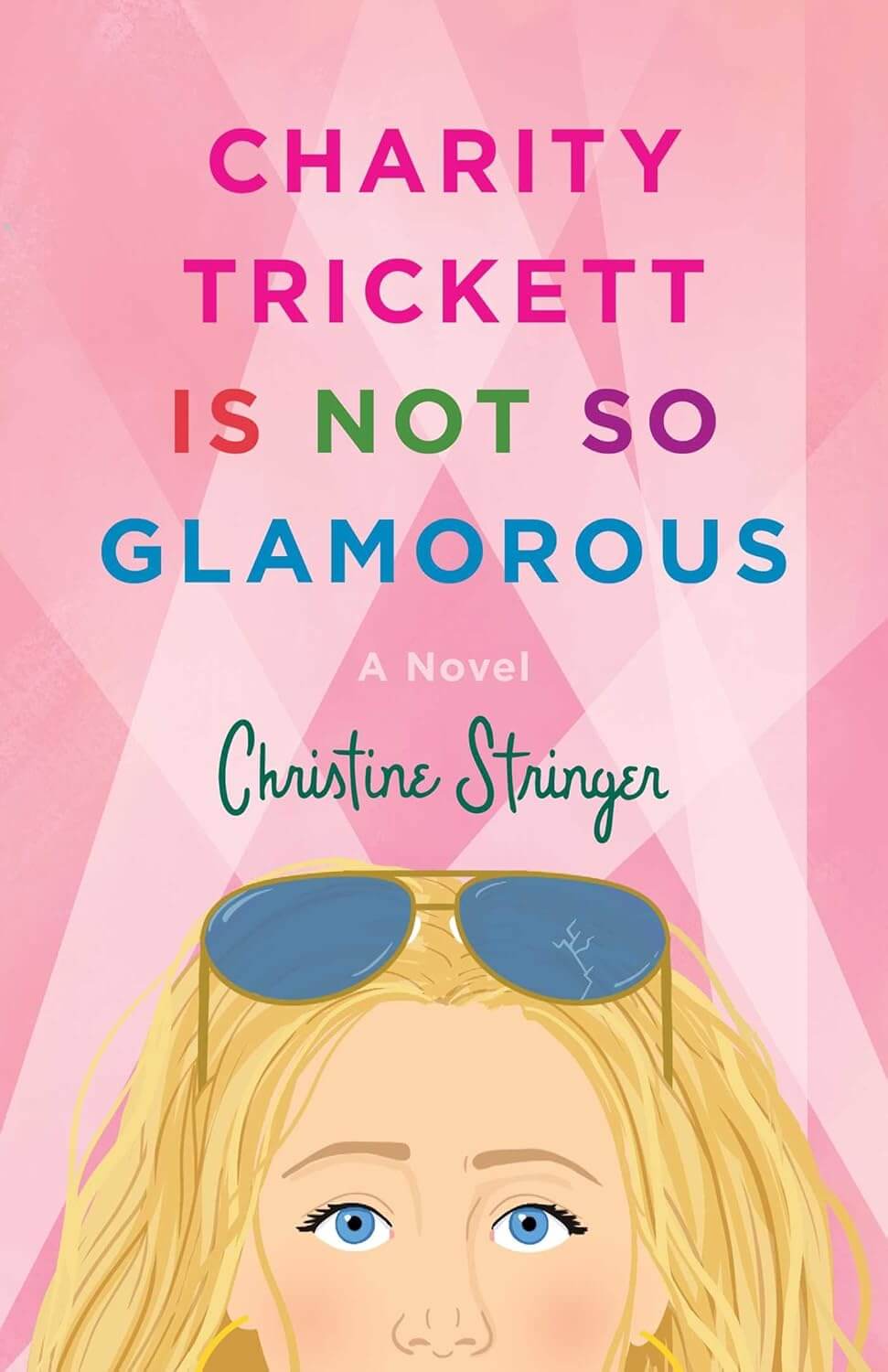
Charity Trickett is Not So Glamorous by Christine Stringer
Charity Trickett thought moving to L.A. to be a director’s assistant was going to be the first step in a glamorous life, but she is soon faced with a stark reality of entering Hollywood. The people are cutthroat and won’t hesitate to stab her in the back, the money is bad in a city filled with fame and wealth and one huge mistake has landed her in hot water. Faced with costing the studio millions and even an FBI investigation, she’ll have to rely on a found family of friends to get through hard years of trying to make it in Tinseltown.
Buy the book now: Bookshop.org | Amazon












Leave A Comment