

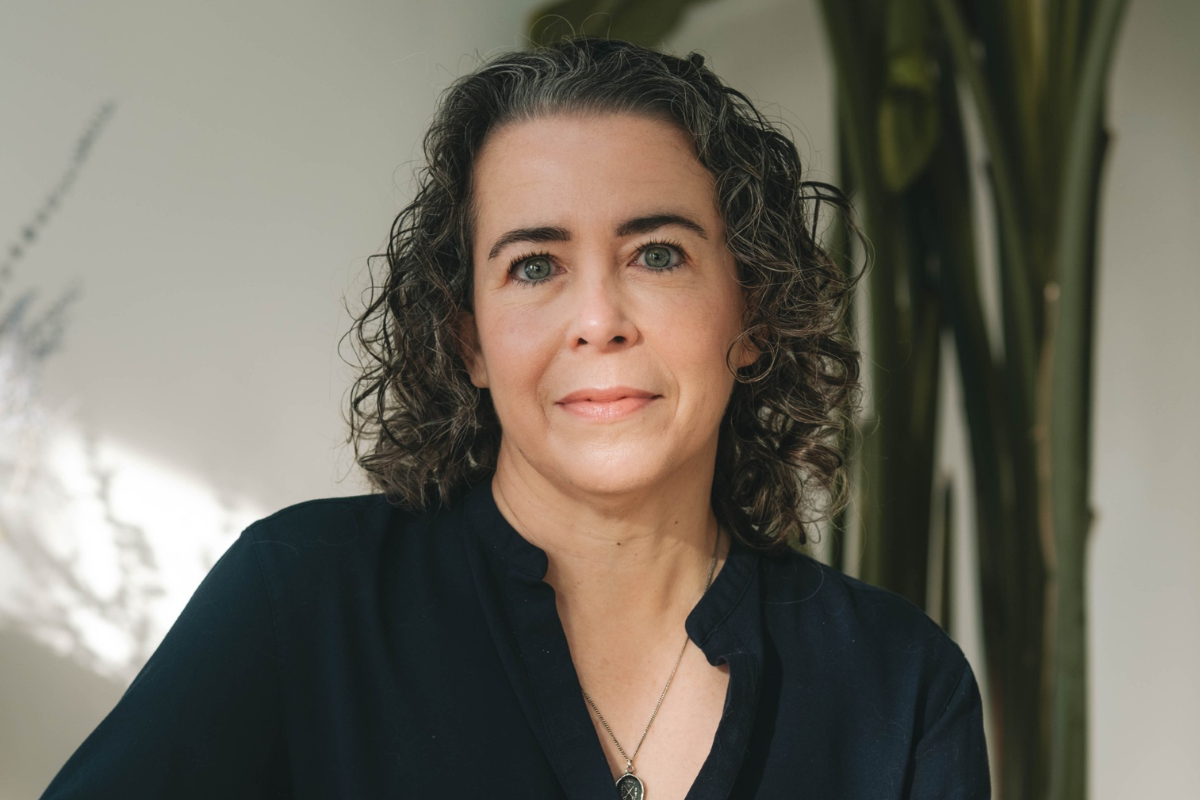
Lucy Ashe trained at the Royal Ballet School before changing course to study English Literature at Oxford University, where she graduated in 2010. She later qualified as an English and Drama teacher. Her first two novels, The Dance of the Dolls and The Sleeping Beauties, were inspired by her years immersed in the world of classical dance. The Model Patient marks a powerful evolution in her work, drawing on her personal experience as a therapy patient to explore the psychology of power, trust, and self-erasure. A former resident of London, Ashe lives in Brooklyn, New York.
Learn more at lucyashe.com.
When I tell people that I have two unpublished novels – that’s over 200,000 words – gathering metaphorical dust in my computer files, they inevitably ask whether I’ll return to them one day. Perhaps, they suggest, now that I have three published novels to my name, it will be easier to get these first two novels out in the world.
The answer is a definite no. While I did desperately long for these two novels to find a home with an agent and then a publisher, my perspective has changed. They are not evidence that I failed, as I felt for some time. Instead, they are my reminder that I did not give up, that rejection did not stop me from chasing my dream, that I continued writing even when it felt as though I was never going to be good enough.
Of course, this is easier to say now that I’m a published author. When I was deep in the query trenches, it was hard to feel that there could be a positive lens through which I could interpret the endless rejections. At the time, it felt as though I was waiting forever. I was impatient for validation and although I loved the writing, compelled by it even, there is no denying that part of my motivation was a desire to see the end product. I fantasized about a book launch and imagined how it would feel to see my novel on the shelves of my favorite bookstores.
Although I told myself that I just needed to keep going, that agents received so many submissions it would take time for me to get lucky, the truth was that my first two attempts at writing a novel were not particularly good. A few summers ago, I re-read the start of one of them (a mystery set during a school hiking expedition in the Lake District) and shuddered at the lengthy descriptions and the clumsy relationship building. My cover letter was a confusing pitch that tried to fit the novel into too many genres, complicated by a wild range of comp titles.
Perhaps I already knew this back then. When I sent my first submission email in 2018, I immediately began working on my second novel while I waited to hear from agents. When this second novel was shortlisted for a first novel prize—the Impress Prize for New Writers—I increased my submissions, but the novel wasn’t getting attention from agents, just like my first. All this rejection, the feeling of putting my heart into something I loved but that also had the power to cause me pain, was starting to remind me of the defining identity of my teenage years: I was a ballet dancer whose dreams fell apart.
For me, training to be a ballet dancer is a story of success that gradually slipped away. I was accepted into the Royal Ballet School when I was eleven-years-old, and my life became devoted to dance. The Royal Ballet School is a boarding school in the middle of a deer park in London, and we lived in a bubble of ballet classes, sewing pointe shoes, rehearsals for performances at the Royal Opera House, Christmases as a mouse in The Nutcracker. I imagined myself getting a contract at a top ballet company and I worked hard, dedicating myself to ballet. But as I got older, I started to realize it wasn’t going to happen the way I had imagined. My body was growing in the wrong way for classical ballet, and I didn’t have the flexibility in my hips that was required. Gradually I stopped being cast in as many roles and I scored lower on my report cards for my physique. Although I kept dancing for as long as I could, I eventually let it go. I went to Oxford University to study English Literature, and my dream of being a professional dancer faded.
At the time, I found it impossible to acknowledge to myself and to others how painful this ending was for me. I couched it in positive terms: it was my choice, I loved my studies at Oxford, I was grateful for the change of direction. And while those were true, there was a lingering shadow, this gnawing feeling of sadness that I was refusing to address.
I did not want this to happen to my writing. The memory of those years, the vulnerability of rejection and failure as a teenage girl, particularly when it was directly linked to my body and my self-esteem, were being triggered by my failure to get an agent and book deal. But this time, I refused to hide from my feelings. I started writing a third novel, and for this one I chose ballet as my subject—a historical thriller set in 1930s London about identical twin ballerinas entitled The Dance of the Dolls.
Returning to the world of dance, a world I’d loved but that had not accepted me the way I’d hoped, was a gamble. It took courage to plunge back into ballet through my writing, but as the book began to develop, I knew this was the right decision. When I submitted the book to agents, it was a different experience. I had full-manuscript requests instantly and I signed with my agent within two weeks of sending him the book.
Was it choosing a subject that was personally meaningful to me that made the difference? Or was it the rawness of my feelings about ballet that gave my writing a sharper edge? Or perhaps I had simply become a better writer. In all those years of rejections, I had never stopped working on my writing craft. And, at last, I had re-shaped the narrative from my ballet years, turning rejection into motivation and refusing to let it cast me out of the world of ballet forever.
Of course, it’s never as simple as achieving your dream and suddenly life falling into place. Writing what became two novels about ballet brought up painful feelings that I’d ignored for so long, and I started therapy a month after the publication of my debut novel. Therapy was harder than I could have possibly imagined, an intense psychoanalytical journey that, for a while, caused more harm than good. I did not understand my relationship with my therapist, the concept of transference and the reasons for my therapist’s withholding and frequently silent manner. Once again, I felt as though I was failing.
I began to research psychoanalysis, devouring book after book in the hope of finding some clue as to why I was struggling to settle into the work of therapy. And the idea for my next novel, The Model Patient, emerged—a psychological thriller about a dangerous relationship between a therapist and patient in 1960s London.
Out of the confusion of my therapy relationship, I transformed my feelings of failure and my fear of rejection into a creative project. Through therapy and through writing The Model Patient, I discovered how to experience rejection without it infecting every part of my identity.
But most importantly, I’ve learnt to embrace the fact that rejection is painful because I love writing so deeply. It would be a dull life indeed if a fear of rejection made us avoid our greatest joys.
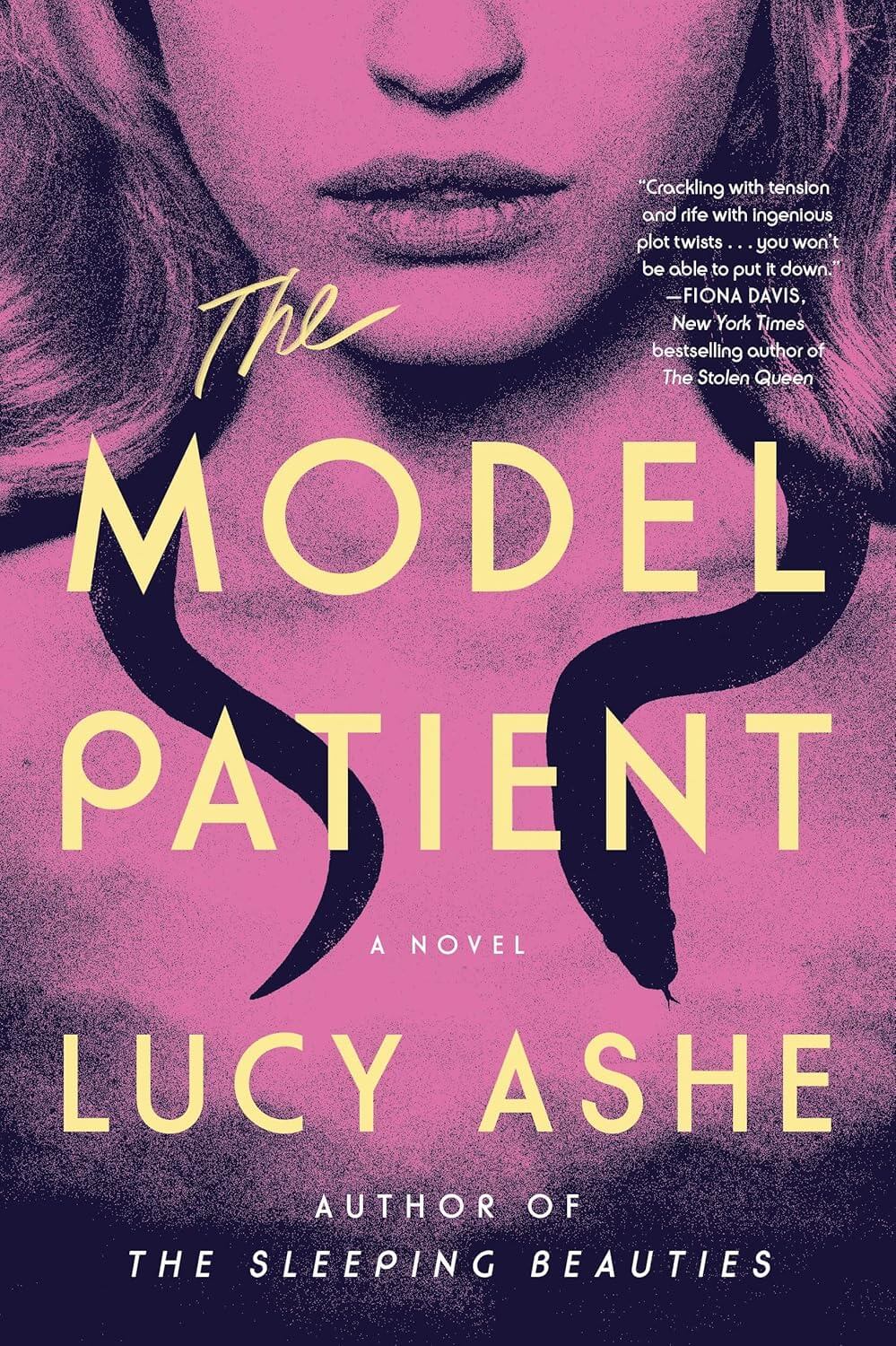
The Model Patient by Lucy Ashe
Set in 1960s London, this psychological thriller follows Evelyn Westbrook as her seemingly perfect life begins to unravel under the weight of nightmares and buried secrets. Seeking help, she becomes entangled with a mysterious therapist, but their relationship quickly blurs into something obsessive and unsettling. As control and manipulation intertwine, Evelyn must confront whether she’s being helped—or dangerously pulled under.
Buy the book now: Bookshop.org | Amazon











Leave A Comment