
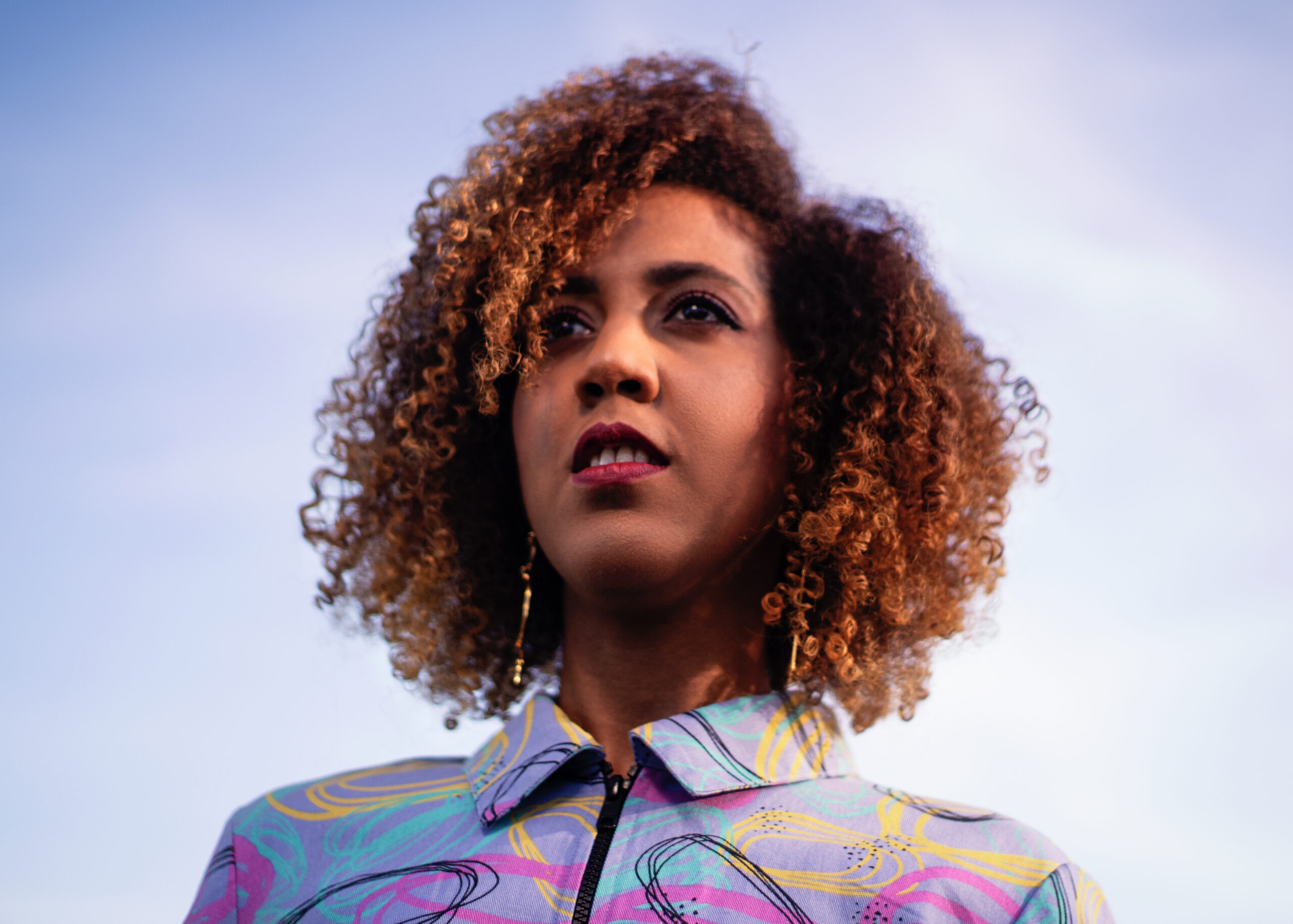
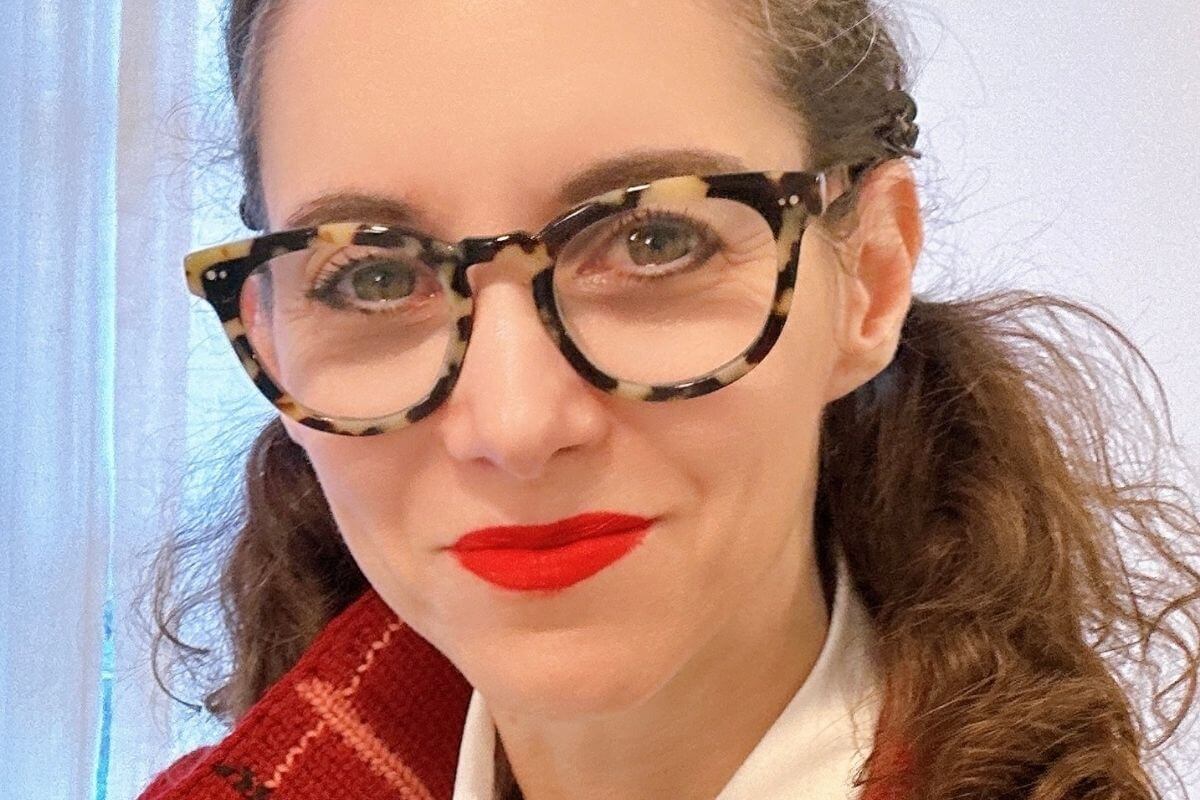
Saara El-Arifi is an internationally bestselling and award-winning author of fantasy and historical fiction. El-Arifi knew she was a storyteller from the moment she told her first lie. Over the years, she has perfected her tall tales into epic ones. She has lived in many countries, had many jobs, and owned many more cats. After a decade of working in marketing and communications, she returned to academia to complete a master’s degree in African studies specializing in Cleopatra’s myth and her impact on Black women. She currently resides in London as a full-time procrastinator.
I know nothing about the real Cleopatra. You might think that’s a pretty contentious way to start an article that’s meant to detail my research process. But the truth is, no one does. Most of what we know of her is based on ancient sources published hundreds of years after she died. There are only very brief references from her contemporaries, and those we know were tainted with the propaganda of the time—after all Cleopatra was not immune to the exoticizations and misogyny of the ancient west.
So why did I choose my historical fiction debut to be something as source-poor as Cleopatra VII? The queen was a figure I was drawn to from a very young age. Her history was told to me in the way only a 90s British curriculum could—full of orientalism and reverence for empire. I was fascinated by her resplendent lifestyle, and the fact that she was a queen of an African nation only made me more intrigued by her. But as I grew up, the shine that had surrounded her myth began to tarnish. When I heard her name, it was often in relation to the age-old debate around her skin colour—a topic I refuse to engage with as to do so would be to impose our societal constraints upon ancient history, when the concept of race was an otherworldly concept.
But I was curious as to why so many people were obsessed with her skin. Why not her prowess? Her strategic thinking? Her scholarly pursuits? It was not long after the Black Lives Matter protests of 2020 that I began to be preoccupied with this line of inquiry. It revealed to me, among other things, how little we actually know about Cleopatra—and how little I actually knew about race politics. Gaps in my education had left me feeling hollow and so I sought out alternative histories and theories beyond what I had learned and signed up to complete a master’s degree in African studies at SOAS University. It’s safe to say it was not easy reckoning with the topics of my course. But bit by bit, I forged myself into a Black feminist scholar, a positionality that was important to ascertain before researching Cleopatra—the topic of my dissertation.
You may be surprised to learn that I didn’t start with the ancient sources, in fact my very first form of official research was to play the game Assassin’s Creed Origins. Don’t laugh, it’s a very good game. And it is a perfect example of how Cleopatra’s myth has been sustained over time: ‘I will sleep with anyone as long as they agree to be executed in the morning,’ she claims, pixelated, but not pixelated enough to hide her comely figure. This overtly sexualised, hedonistic queen appears in many modern references. Elizabeth Taylor, in Cleopatra, is another representation of this. Again, Shakespeare’s conjuring of the queen aligns with this cruel and seductive temptress we all recognise.
I then worked backwards. How is it that we have a myth as familiar as Cleopatra that has survived over two thousand years of scrutiny? Ancient scholars and poets such as Plutarch, Horace, Propertius and Virgil all contributed to the everlasting propaganda that labels Cleopatra as a ‘deadly monster’ and ‘meretrix regina’ [whore queen]. Over the years these ancient texts, always based on second-hand accounts, contributed to her myth-making. I sought sources beyond the global north, as I had been taught to do, decentering western thought where I could, but even then, the references to Cleopatra were limited. But I mapped together what I could, tallying the common beats of her story across all ancient sources: She was queen after her father died, her sister and younger brother turned traitors, she had one brother, maybe two? Let’s go with two. She had three children, but more sources say four. I was working with facts that were unlikely the whole truth, but it provided me an outline I could follow.
At this stage I was two years into my research, including a trip to Alexandria. I had more notes than I could feasibly carry in my brain, or in my arms. I understood my positionality, I knew Cleopatra’s life (as well as anyone could) but when I sat down to write I found I couldn’t. I realised despite my years of research I still knew very little about Ancient Egypt’s way of life. Every sentence I wrote became a laborious research warren (did they have candles? Did they have honey? How did the cisterns work?). So, I took a few more months out and turned to some of the greatest Egyptologists and classicists of our time: Joyce Tyldesley, Prudence Jones, Duane Roller, Zahi Hawass, Monica Hanna, Sally-Ann Ashton among many more. I listened and read and watched. There was much to cover, the Pharaonic era lasted over 3000 years and each dynasty had different customs and cultures. Then finally, armed with this knowledge, I began to write.
So, who was Cleopatra beyond the myth society made for her? In a way, my fiction was the only thing that truly answered the questions that I had. Flawed yes, divine too, but most of all human, not merely a myth.
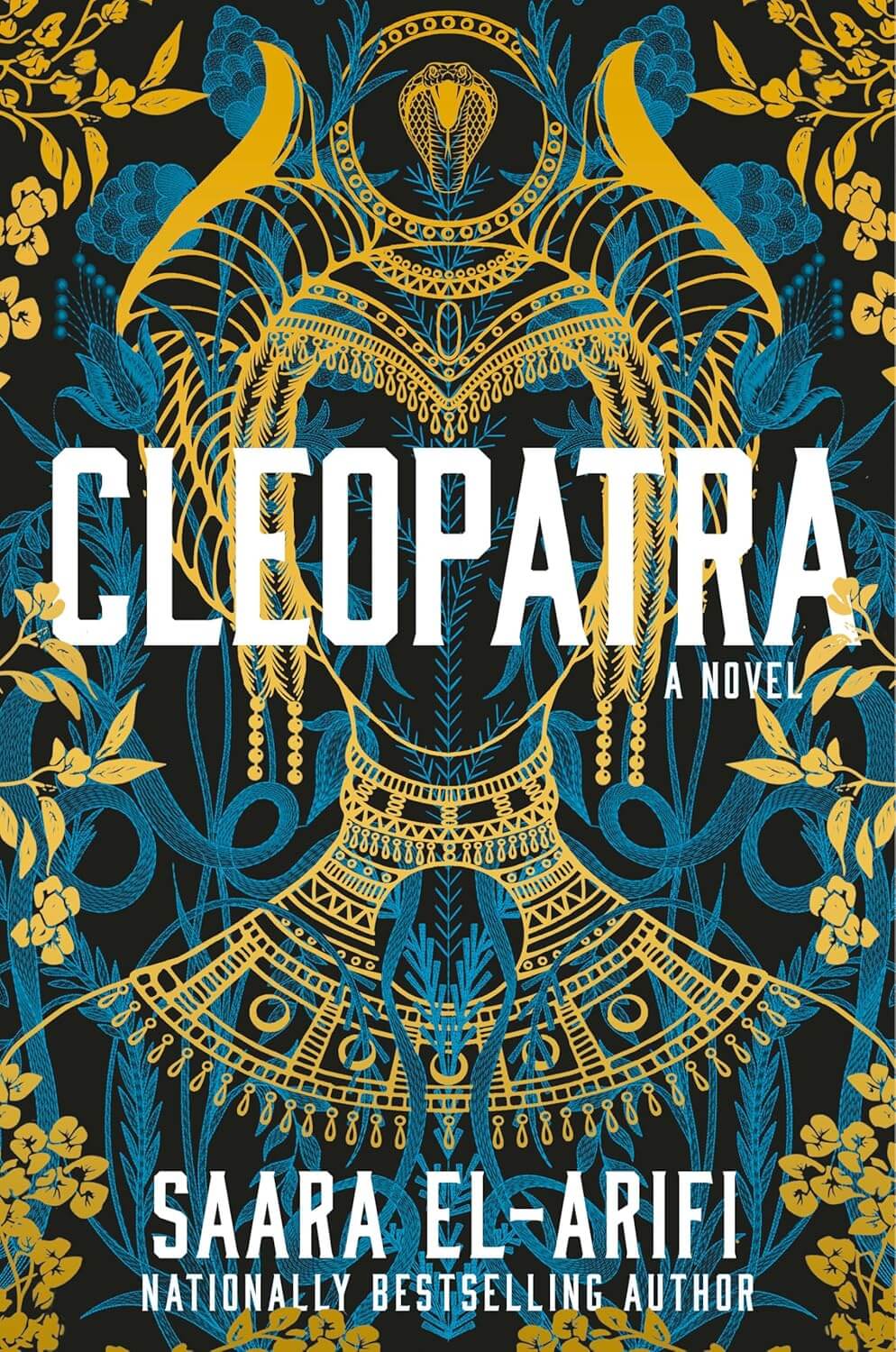
Cleopatra
An historical fiction epic told from Cleopatra’s own perspective. This subversive tales vividly describes her life, her family, her children, and her historic rule. A magical, mythic tale about a powerful woman who sets the record straight about her reputation.
Buy the book now: Bookshop.org | Amazon








Leave A Comment