

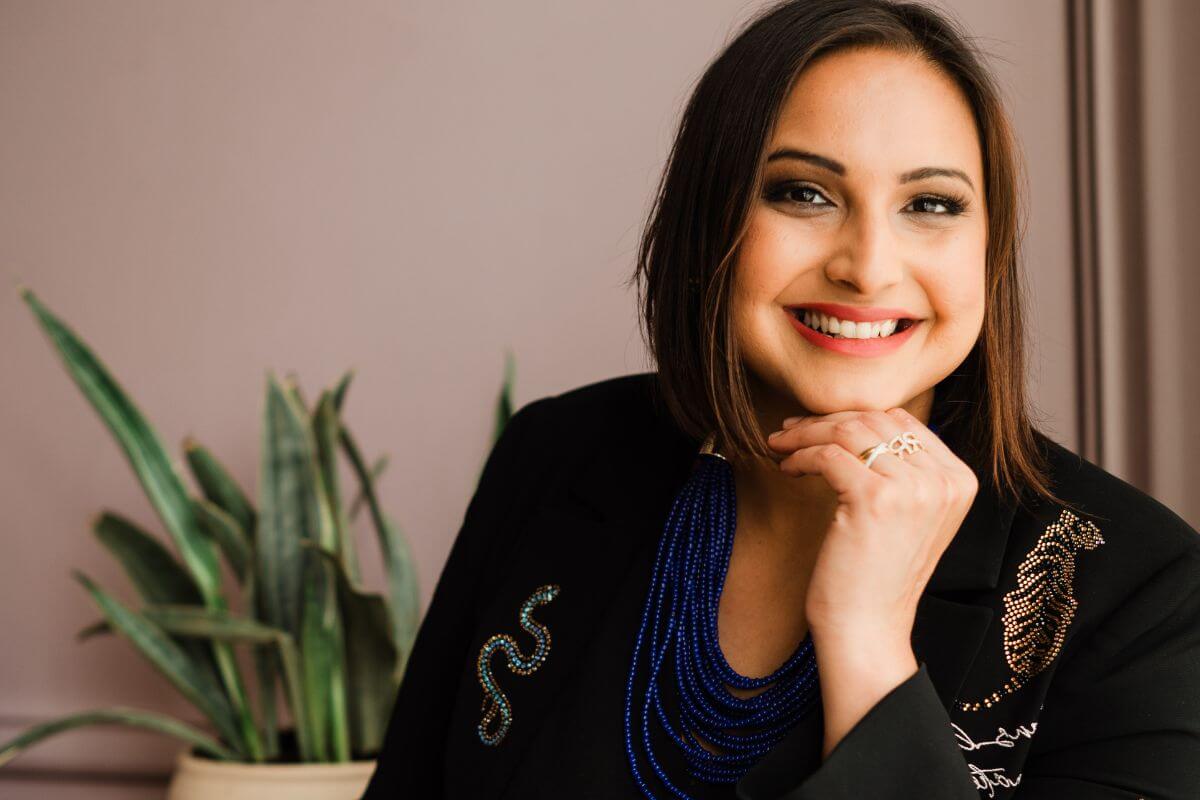
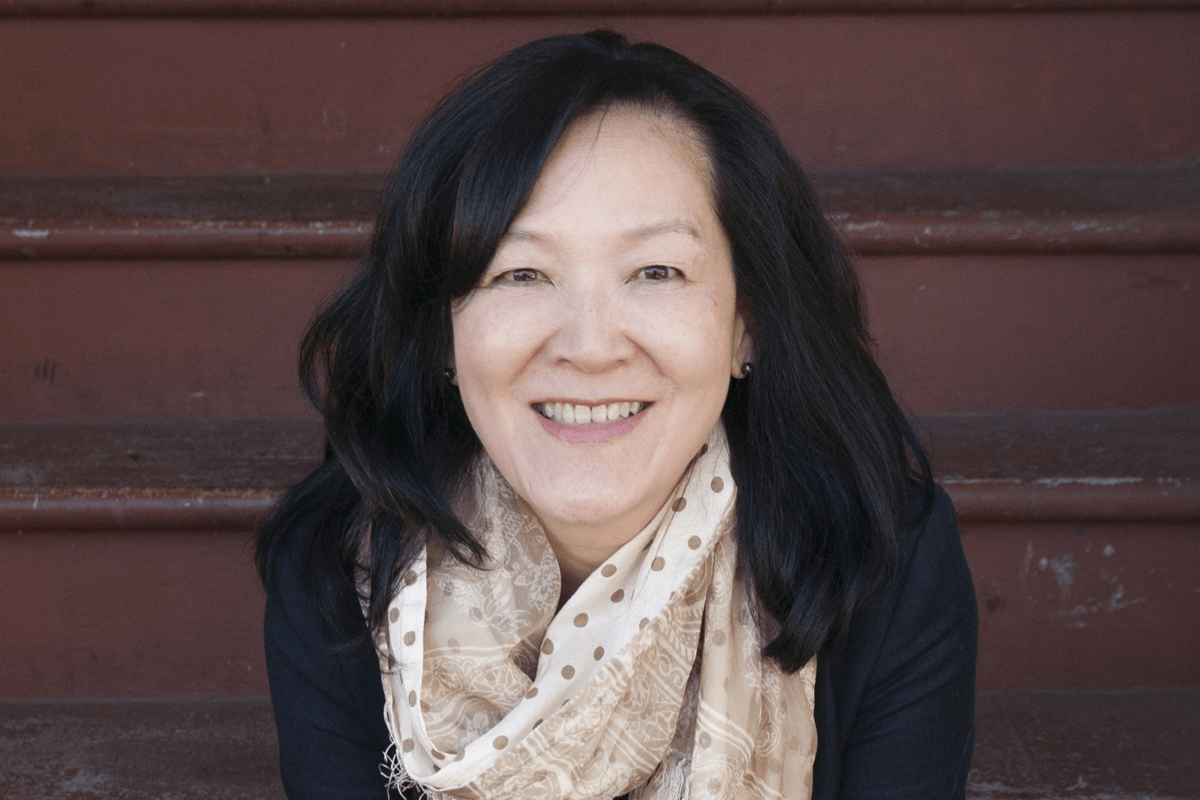
Huda Al-Marashi writes for both children and adults. She is the author of the middle grade novel Hail Mariam and a co-author of the Walter Dean Myers Honors award-winning novel Grounded. In addition to her memoir First Comes Marriage: My Not-So-Typical American Love Story, she has contributed essays and op-eds to various anthologies and news outlets, such as the New York Times, Washington Post, LA Times, and Al Jazeera. She is a fellow and mentor with the Highlights Foundation Muslim Storytellers Program.
I’ve gone on the agent hunt twice, and both times the querying process dragged on for months that soon slipped into years. Both times what finally broke me out of that rut was hiring a developmental editor.
I consider myself a careful reviser. I don’t send out drafts without going through several rounds of revisions with critique partners and mentors. But while the opening pages of my memoir were strong enough to earn requests for my full manuscript, that interest did not turn into offers. After over a year of rejection, I finally hired a freelance developmental editor on the recommendation of an agent who saw the potential in my work.
Not to be confused with a copy editor or proofreader, a developmental editor is someone who will read your entire manuscript to provide what’s also called substantive edits or structural edits. It’s a holistic read that is accompanied by a detailed edit letter that makes clear what’s working and what’s not working in your manuscript.
In my experience, my developmental editor’s feedback felt like getting a definitive diagnosis of what was ailing my story along with a prescription of how to fix it, and while it took me another year to work through her suggested revisions, I finally found an agent on my next round of queries.
While that book sold quite quickly, a few years later, I had made the switch to children’s literature, and I found myself on the agent hunt again. This time I resisted hiring a developmental editor. I was confident I’d learned what I needed to from my previous experience. Now I knew how to identify my main character’s unclear desire line or an undefined story arc. I simply needed to revise more.
However, after querying my middle grade novel Hail Mariam for close to a year, I followed the advice of a writing colleague and hired the developmental editor she had used. Once again, I realized there was a level of revision that I simply was not getting to on my own.
Here’s all the reasons why I needed to bring on a developmental editor and why I’d probably use one again.
1. My Developmental Editors Gave Me the Big Picture Edits I Couldn’t Get From My Critique Groups
I am beyond grateful for my feedback partners, many of whom read my whole manuscript, but when my colleagues read my work, they’re doing me a great favor. Although we often return this favor to one another, these generous writers are squeezing in reading my draft while their attention is split between their personal lives, their work, and their own writing projects. A developmental editor’s job is to carve out the time to read your manuscript and to offer you the kind of big picture edits you can only get from reading a text in its entirety—rather than the interrupted spurts that most busy writers can spare.
While there is a financial cost associated with working with a developmental editor, I consider it money well-spent. Instead of spending money on conferences where I might get the opportunity to share the first twenty pages of my manuscript in a workshop, I save up for one read that will give me the most feedback for my investment.
2. They Offered an In-House Perspective
While developmental editors can come from a variety of different backgrounds from within the writing industry, I found it most helpful to work with editors who had previously worked in acquisitions at traditional publishing houses. While many writers offering editing services have the skills to evaluate a manuscript, a former in-house editor has a keen sense of the marketplace and what makes a manuscript commercially viable. They can pull from their years of experience, working on a wide range of projects, to offer an industry-specific perspective that may not be available to developmental editors who have honed their craft outside of commercial publishing.
Of course, this recommendation is based on my personal experience and only one of several important criteria to keep in mind when considering potential editors. As with hiring any professional, it is still critical to do your due diligence, get referrals from other writers, and find the editor who is the best fit for your work.
3. Their Comprehensive Edit Letters Became a Roadmap for My Final Revision
I found it most helpful to revise as much as I could, relying on the advice of feedback partners within my writing community, until I was in the best position to take advantage of a developmental editor’s advice. Although many editors are happy to work with writers in the early stages of their projects, I found that I benefited most from this kind of support at the end of the creative process.
That comprehensive edit letter then became my roadmap to getting my manuscript ready for submission. The second developmental editor I worked with gave me a six page edit later (single-spaced!) that essentially served as a checklist for my final revision. While reading that much feedback at once can be overwhelming, the letter was organized into easy-to-follow bullet points that I tackled one at a time.
4. I Needed a Genre-Specific Read
My writing community spans a wide variety of genres, from creative non-fiction writers to literary fiction writers, but to get my manuscript in the tightest shape possible, I needed a read from someone well-versed in middle grade literature. There were certain conventions expected in a middle grade novel that my colleagues did not have the training to spot. Things like what’s the typical word count in a middle grade novel, or when I was slipping out of a middle grade voice, or that the adults in my story were solving too many problems for the children when that resolution needed to come from my main character’s actions. By hiring a developmental editor who worked in children’s literature, I got a read that helped me push my manuscript to meet the expectations for my chosen genre.
5. I Couldn’t See the Hold Overs From My Previous Revisions Anymore.
There are so many sneaky things that can linger in a manuscript from previous revisions. A character whose name you changed or even deleted who shows up on a random page. A jump in time that no longer makes sense due to a deleted chapter. My feedback partners and I had read so many drafts of my book that we could not spot these hold-overs in the text anymore.
6. It Gave Me Confidence While Querying
When I queried prior to getting my developmental edits, every rejection made my doubt my manuscript—and rightfully so. In hindsight, my manuscript wasn’t ready, and I needed every bit of feedback those rejections offered me. However, when I returned to querying after getting my developmental edits, I had some peace of mind that I was putting my best foot forward.
While hiring a developmental editor in no way guarantees an agent or a book deal—this business will always be subjective—both times I brought on this kind of support I was fortunate to find an agent and sell my books rather quickly. As an added bonus, after following my developmental editor’s advice, my manuscripts required relatively light editing in-house.
I know many writers who sell their books without ever consulting a developmental editor, but as someone who sincerely grows from every revision, I treat hiring editors like taking a writing course tailored entirely to me. I learn something from every edit letter, which makes me that much more adept at catching those mistakes in my future drafts and also as a critique partner.
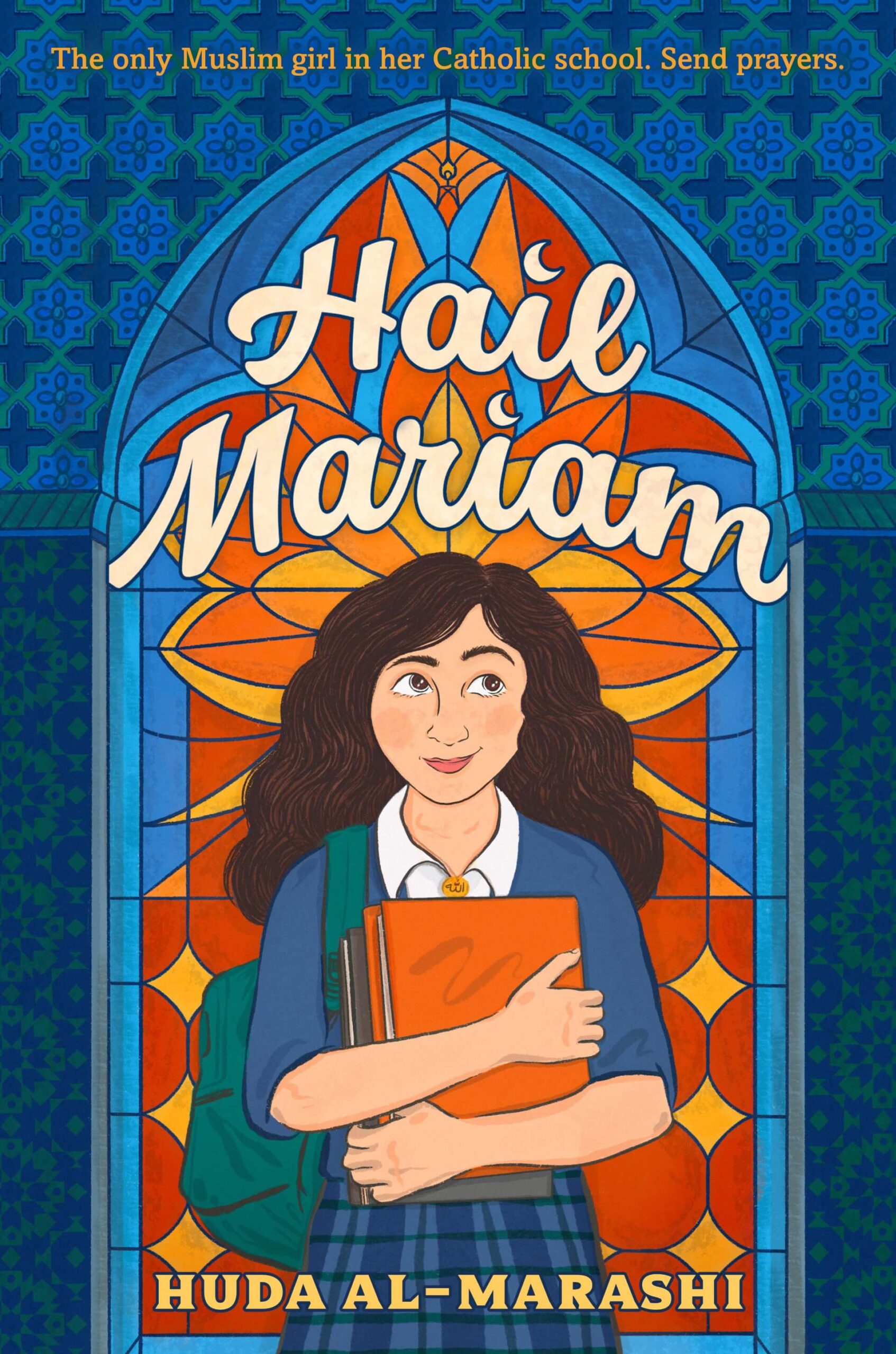
Hail Mariam by Huda Al-Marashi
Mariam Hassan is the newest transfer student at her Catholic school, and on top of that she’s the only Muslim girl to attend. Now she must not only contend with being the new girl, but her parents are sure to remind her that she might be the first Muslim person the other students have ever met. With the weight of representing her entire religion on her shoulders while trying to keep up with socializing and schoolwork, Mariam is forced to learn how to balance it all. On top of all her own problems, her sister Salma is diagnosed with a dangerous lung condition that keeps her family all restless as they try to care for her. Mariam determines to keep all her troubles to herself to lighten the burden on her family, including the fact that she has just been cast to play Mary in the school’s Christmas play.
Buy the book now: Bookshop.org | Amazon





Leave A Comment